
What is Healthy Food? An Ultimate Guide to a Better Life.

1.Introduction
In the modern world, which is highly dynamic, an increasing number of individuals are moving towards healthy food since they are understanding that it is the force that can help determine a better life. As health problems, obesity and stress levels increase, food has turned into more than fuel, it is body and mind medicine.
And what is healthy food exactly? Healthy food is simply food that is prepared using natural and healthy ingredients that are nutritious and help the body gain energy and longevity. Healthy food is balanced and healthy unlike processed foods or junk foods, which are full of sugar, salt and fats that are not healthy.
The role of healthy food in the contemporary lifestyles can not be overlooked. It boosts the immune system, enhances concentration, maintains body weight as well as helping to prevent lifestyle diseases such as diabetes, heart diseases and high blood pressure. To put it shortly, healthy food has stopped being an option, it is now a prerequisite to a productive and happy life.
2. What is Healthy Food?
Healthy food refers to any food that contains all the necessary nutrients; vitamins, minerals, proteins, healthy fats, and carbohydrates without the use of harmful additives. It is new, least processed and promotes the body requirement of energy, growth, and repair.
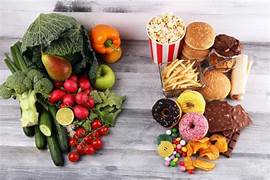
Comparison between healthy and unhealthy food.
- The healthy food consists of fruits, vegetables, whole grains, nuts, seeds, lean proteins, and natural fats.
- High refined sugars, trans fats, preservatives, and artificial flavors are common in unhealthy food like chips, soda and fried foods.
Physical and mental roles.
- On the physical scale, healthy food ensures that the body is strong, aids in metabolism, and the energy levels.
- It makes people less stressed, sharpened the memory, and mood stabilized mentally. Healthy food is not only good fuel to the body, but also to the brain.
3.Components of Healthy Food
To know about healthy meal, we are going to divide it into fundamental ingredients:
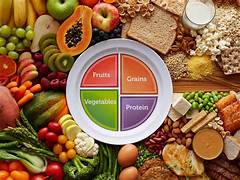
Fruits, whole grains, and vegetables.
- The whole grains such as oats, brown rice, and quinoa are long-lasting sources of energy.
- Fruits and vegetables are a source of vitamins, antioxidants and fiber to increase immunity and digestion.
Slim proteins and vegetarian proteins.
- Excellent Chicken, fish, eggs and beans are perfect in repairing muscles.
- Lentils, tofu, and chickpeas are also plant-based proteins as strong as possible.
Healthy fats
- Good fats include nuts, seeds, avocados, and olive oil which are beneficial to the heart and the brain.
- These fats are also useful in the absorption of fat soluble vitamins such as A, D, E and K.
The significance and use of water.
- The most underestimated aspect of the healthy meal is water. Hydration helps in digestion, elimination of toxins as well as maintaining skin radiance.
4.Healthy food has several advantages.
Benefits of eating healthy meal on a regular basis can be long lasting:
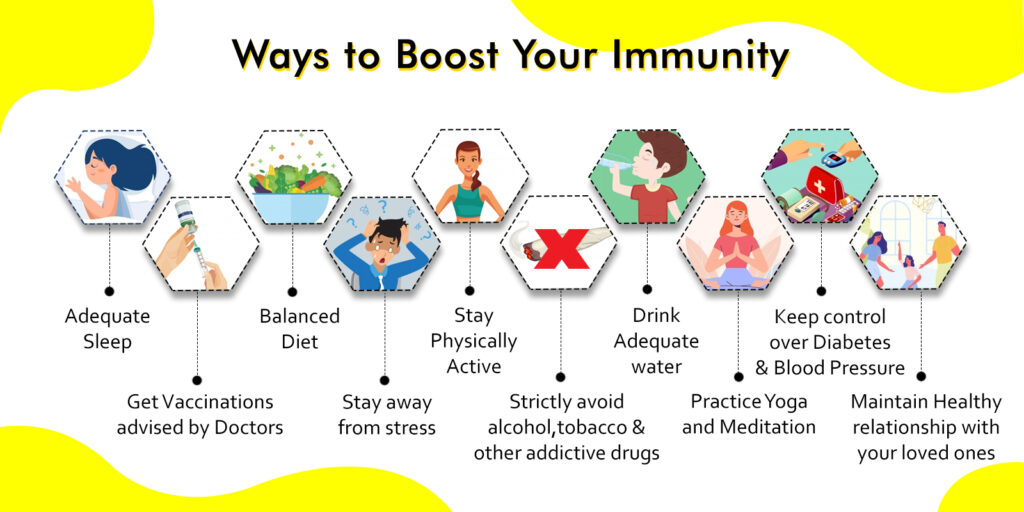
- Enhances immunity: Healthy meals provide immunity against illnesses and infections.
- Prevents lifestyle diseases: A healthy diet reduces the chance of diabetes, obesity and cardiac complications.
- Enhances energy and concentration: Healthy food maintains energy levels all day long, unlike junk food soars and falls.
- Helps in weight control: It is easy to control weight by using portion control and meals that are high in fiber.
- Improves mood and mental health: Omega-3, magnesium, and vitamins improve mood and decrease stress and anxiety.
5.The Question of How to Incorporate Healthy Food in Everyday Life.
Maintaining healthy meal habits does not necessarily need to be hard. Here are some simple tips:
Smart grocery shopping
- Prefer fresh food to packaged food.
- Check the labels on the food and do not buy those that contain excessive amounts of preservatives or artificial additives.
Easy swaps
- Substitute sweetened beverages with water with fruit or herbal teas.
- Replace fried foods with nuts or fruit bowls that are roasted.
Planning meals and controlling portions.
- Preplanning meals helps to avoid unhealthy ones.
- Eat mindfully and do not eat huge portions.
Consistency, not perfection
It is important to remember that a healthy diet is a way of life and not a diet. And little changes, such as including one more fruit or vegetable into your meal every day, may produce significant changes in the long run.

6.Healthy Food Myths and Facts
People are confused with various scientific myths about healthy meal. Let’s clear a few:
- Myth 1: All fats are bad.
Fact: Nuts, seeds and olive oil contain healthy fats which are crucial to the heart and the brain.
- Myth 2: Health food is never cheap.
Fact: Home cooked meals, seasonal vegetables and local fruits are cheaper and healthier than packaged foods.
- Myth 3: Diet plans are the best solution to keep fit.
Fact: Moderate and regular eating is more productive than the extreme diets.
7.Examples of Healthy Meal Choices.
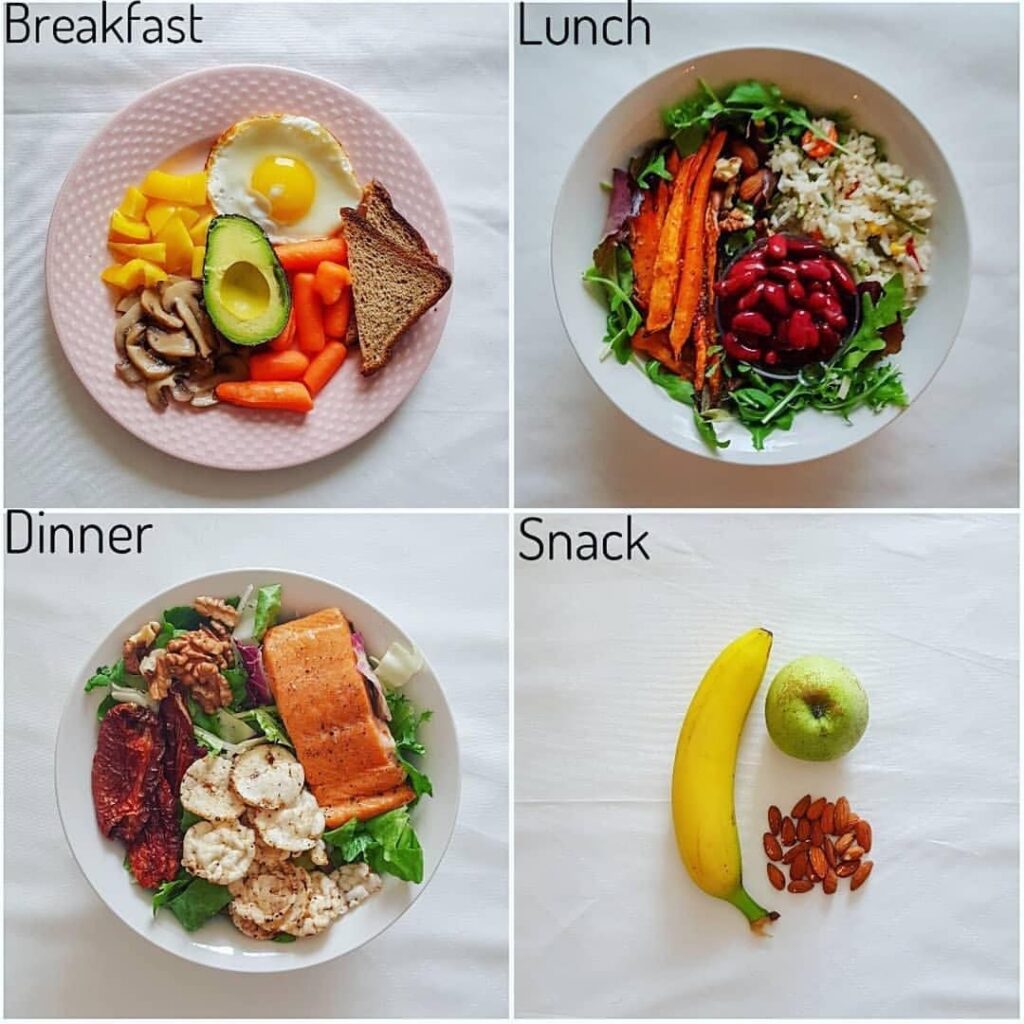
The following are some of the practical ways to incorporate healthy meal in your daily meal:
Breakfast options
- Oatmeal with fruits and nuts.
- Vegetable poha or upma.
- Eggs with whole wheat toast.
Lunch and dinner ideas
- Dal and vegetables cooked on brown rice.
- Grilled fish with salad.
- Roti, paneer curry and saalan.
Healthy snacks and drinks
- Fruit bowls, yogurt or smoothies.
- Makkahna or roasted chickpeas.
- Coconut water, lemon water or green tea.
Classical Indian nutritious food.
- Idli, dosa, khichdi, dal-chawal and millet based preparations.
- Fruits such as mango, guava, and papaya that are grown during season.
8.Healthy Cuisine to the Various Needs.
These groups need different strategies of healthy food:
- Children and adolescents: Growth requires high protein and high calcium diets. Examples: milk, eggs, and fruits, dry fruits.
- Professional workers: Need nutritious energy-enhancing foods such as whole grains, nuts and balanced lunches to keep them productive.
- Athletes and fitness lovers: Protein shakes, lean meat, and complex carbs will help to build muscle and provide power.
- The elderly: Since they lack energy, consume nutritious foods that are easy to digest such as soups, dals, and fruits.
9.Conclusion
In summary, a good healthy life is a source of a happy, strong and fulfilling life. It feeds the body, clears the mind and creates emotional balance. Dining in healthy food is not an issue of perfection but a matter of habitual, conscious decisions that will bring value to your health.
It is important to remember that small measures such as eating more fruits, keeping hydrated, and not consumption of junk food can make changes to your lifestyle with time.
Call-to-Action: Today, begin by having one healthy meal- you will be happy tomorrow.
1. In plain terms, what can be considered as healthy meal?
Ans: Healthy Meal is nutritious food such as fruits, vegetables, whole grains, proteins and good fats.
2. What is the significance of healthy Meal?
Ans: Energy Healthy meal increases energy, prevents diseases, improves mood, and well-being.
3. What is the difference between healthy and junk food?
Ans: Healthy meal gives us nutrition whereas the junk food is rich in sugar, salt, and un healthy fats.
4.Does healthy Meal aid in the weight loss process?
Ans: Yes, portion-control healthy meal helps to lose weight and maintain good weight in the long term.
9. What is the advantage of consuming healthy Meal on a daily basis?
Ans: It enhances immunity, keeps one energetic, improves digestion, and prevents lifestyle diseases.